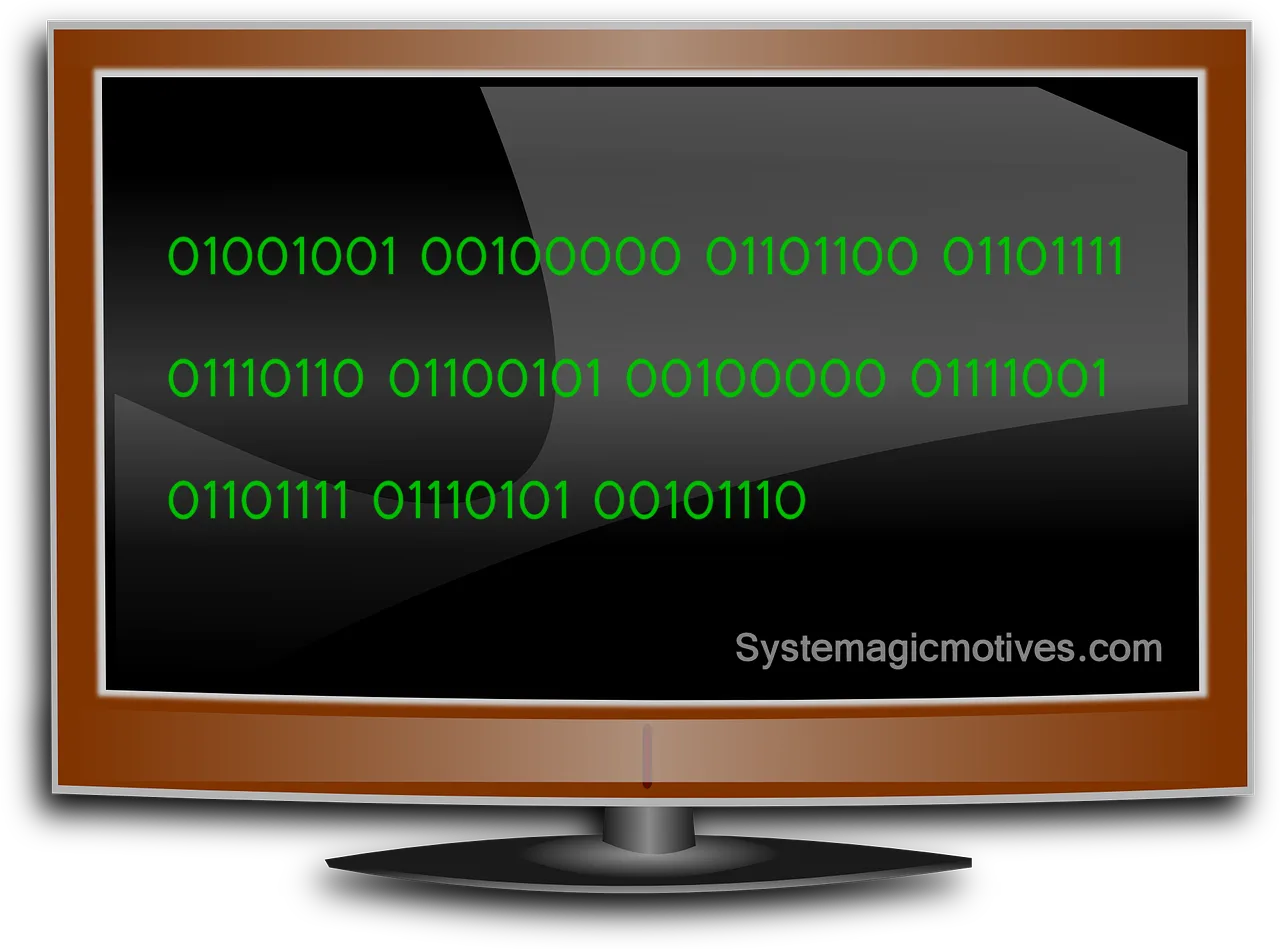
"I Love You" in Binary Code
Binary love translates human affection into machine-readable form. At one level, it is a playful phrase; at another, it is a genuine demonstration of how meaning travels through symbols. A short emotional message can be expressed as letters, converted to numbers, and ultimately represented as sequences of ones and zeros. The feeling remains human, even while the format becomes mathematical.
This dual character is what makes binary love so compelling. It reminds us that technology and tenderness are not opposites: code can carry care, and structure can carry sentiment. In digital culture, some of the most personal expressions we exchange move through highly technical systems before they reach another person’s screen. Binary representation is one of the hidden layers that makes those moments possible.
Used pedagogically, binary love offers a natural bridge between language arts and computational thinking. Students can explore pattern, conversion, and representation while working with content that is memorable and emotionally resonant. It is a small but vivid example of translation across domains: from heart to language, from language to logic, and back again to shared human understanding.
“Much is conveyed in little.”
- Publius Syrus, Sententiae, 1st century BCE
ASCII and Unicode allow text to be stored as numbers, and those numbers are represented in binary inside digital devices. In short: nearly every love text on earth eventually becomes binary.
In ones and zeros, warm and true,
a coded line still says “I love you.”
Though logic frames each measured part,
the signal still can carry heart.